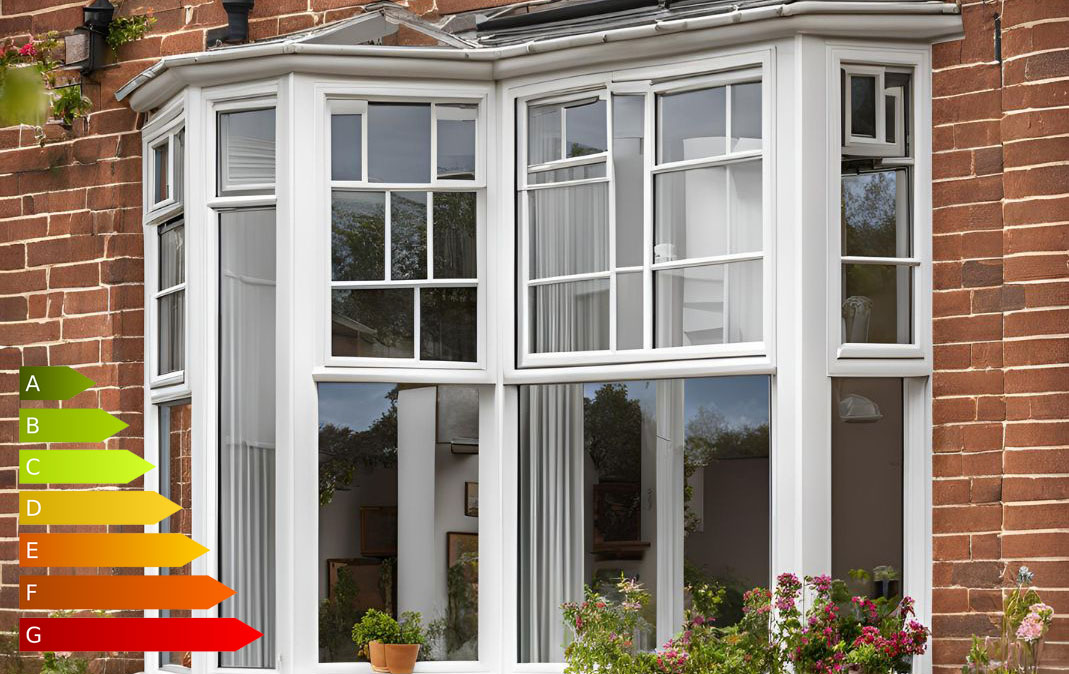
Double Glazing Efficiency Explained
Wondering how efficient double glazing is? This guide explores its energy efficiency, benefits, and impact on your home’s value.
What Makes Double Glazing Efficient?
Double glazing consists of two panes of glass separated by an insulating gap filled with air or gas, such as argon. This design reduces heat transfer and keeps your home warmer in winter and cooler in summer.
Key Efficiency Features:
- Low-emissivity (Low-E) coatings that reflect heat back into your home.
- Gas-filled cavities (e.g., argon) for enhanced insulation.
- Thermal spacer bars to reduce cold bridging at the edges of the panes.
Efficiency Data Comparison
Double glazing significantly reduces heat loss compared to single glazing. The table below compares heat retention for various window types:
| Window Type | U-Value (Lower is Better) | Energy Efficiency Rating |
|---|---|---|
| Window Type:Single Glazing | U-Value:5.0 W/m²K | Energy Efficiency Rating:E or Below |
| Window Type:Standard Double Glazing | U-Value:2.8 W/m²K | Energy Efficiency Rating:C |
| Window Type:High-Performance Double Glazing | U-Value:1.4 W/m²K | Energy Efficiency Rating:A+ |
| U-value measures how well a material, such as your double glazing, prevents heat from escaping your home | ||
Understanding U-Values in Double Glazing
A U-value measures how well a material, such as your double glazing, prevents heat from escaping your home. It’s an essential factor in determining the energy efficiency of windows. The lower the U-value, the better the insulation.
For example, a U-value of 1.4 W/m²K means that 1.4 watts of heat escape through every square meter of the window for every degree of temperature difference between the inside and outside of your home.
Why does this matter?
- Lower U-values mean less heat loss, helping to keep your home warmer in winter.
- Energy-efficient windows with low U-values reduce heating bills.
- They improve comfort by minimizing cold drafts and condensation on windows.
In summary, a U-value of 1.4 W/m²K is a solid benchmark for energy-efficient double glazing, providing a balance of warmth, comfort, and cost savings.
Benefits of Double Glazing Efficiency
Installing double glazing offers multiple benefits beyond energy savings:
- Lower Energy Bills: Reduced heat loss means less reliance on heating, cutting costs.
- Noise Reduction: The insulating gap dampens external noise, creating a quieter home.
- Increased Home Value: Energy-efficient windows are attractive to potential buyers.
- Reduced Condensation: The thermal barrier minimizes cold spots that cause moisture buildup.
How Double Glazing Impacts Your Energy Efficiency
Studies show that upgrading from single glazing to double glazing can save up to 20% on annual energy bills. The chart below highlights potential savings:
Should You Invest in Double Glazing?
While the upfront cost of double glazing may seem high, the long-term savings, improved comfort, and increased property value make it a worthwhile investment for most homeowners. Additionally, many grants and funding options are available to offset the cost.
Use our Double Glazing Calculator to estimate your savings and plan your budget effectively.